How Foreign Buyers Choose a Mini fan supplier in China-2025 Guide
Of course! As a foreign buyer, selecting a Chinese supplier of small fans is an efficient and systematic process that requires comprehensive consideration of many factors. Below is a helpful guide to help you safely find a reliable partner.
Step 1: Define Your Needs
Before you begin searching for suppliers, clearly define your needs. This will help you filter precisely and save you a lot of time.
1. Product Type: What kind of small fan do you need?
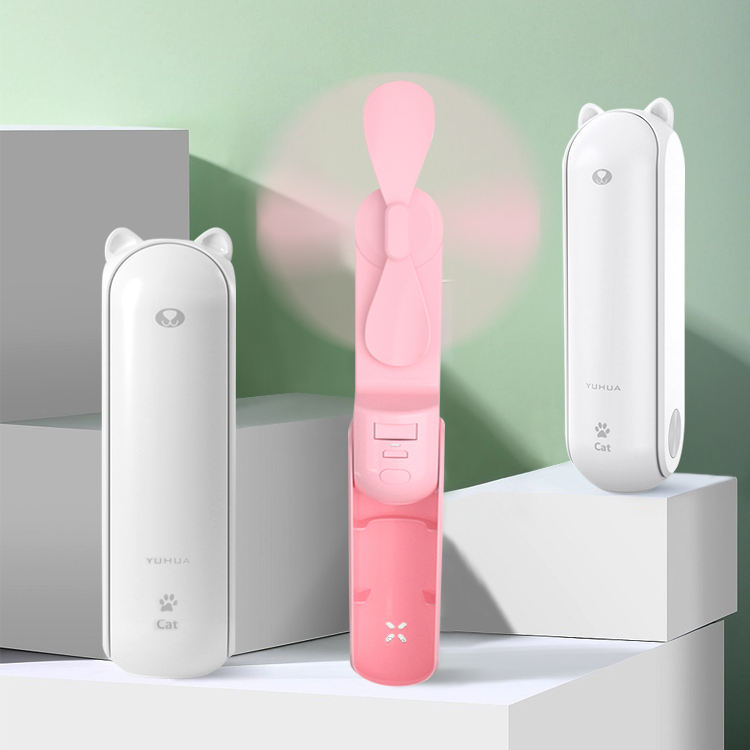
• Handheld Fan: Mini, rechargeable, and portable.
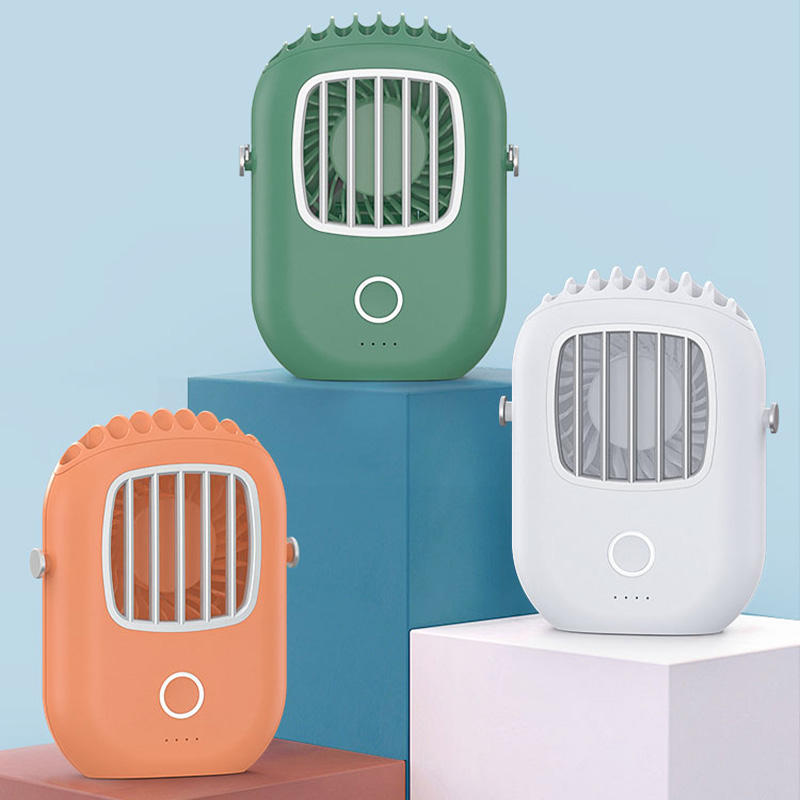
• Neck Fan: Hands-free, phttps://www.jctravelgoods.com/waist-fan/rovides circular airflow.
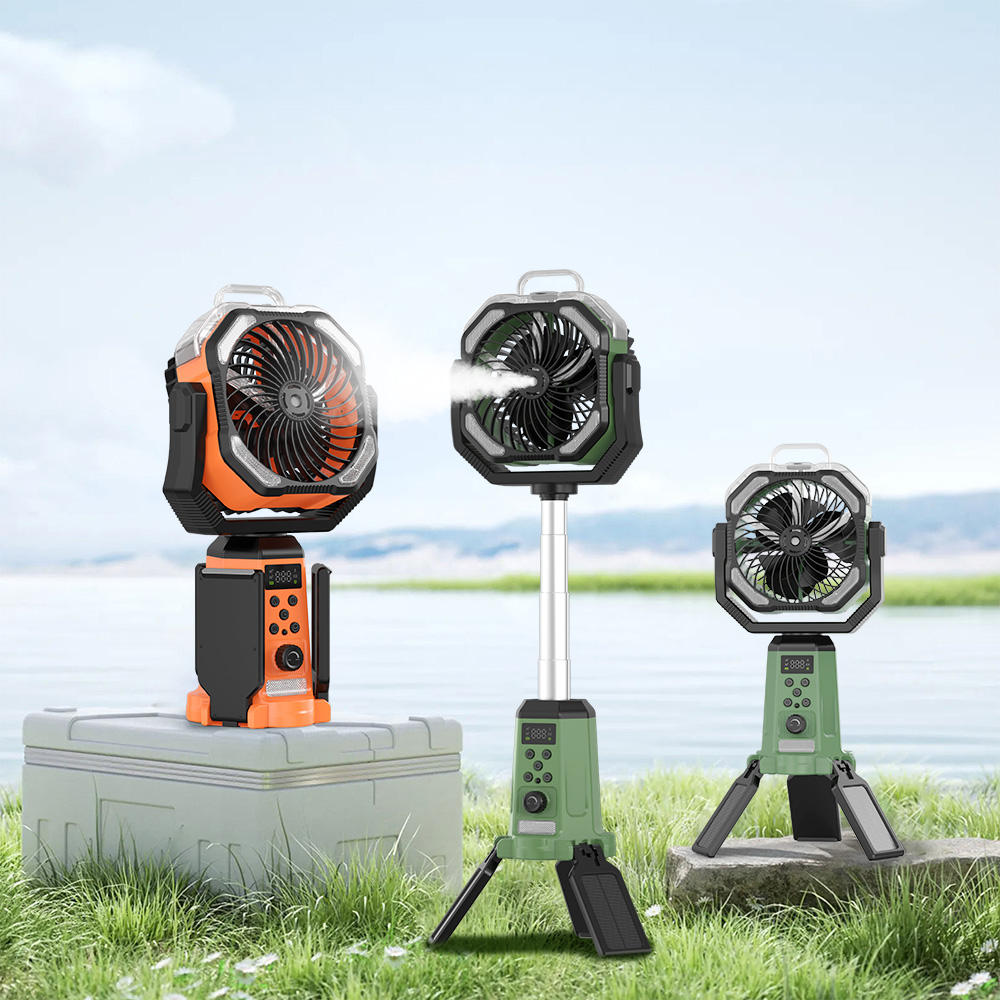
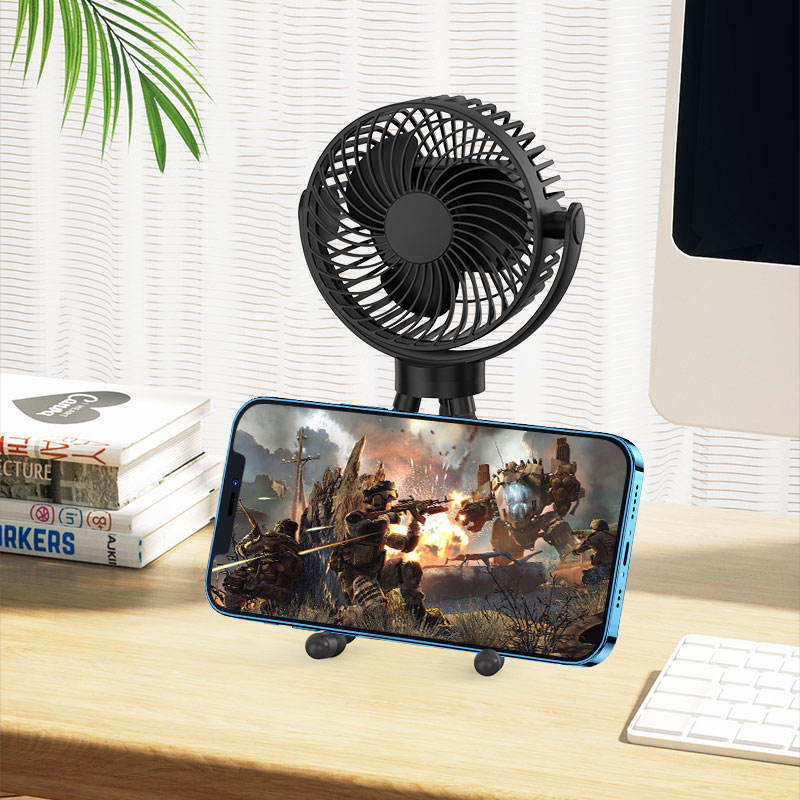
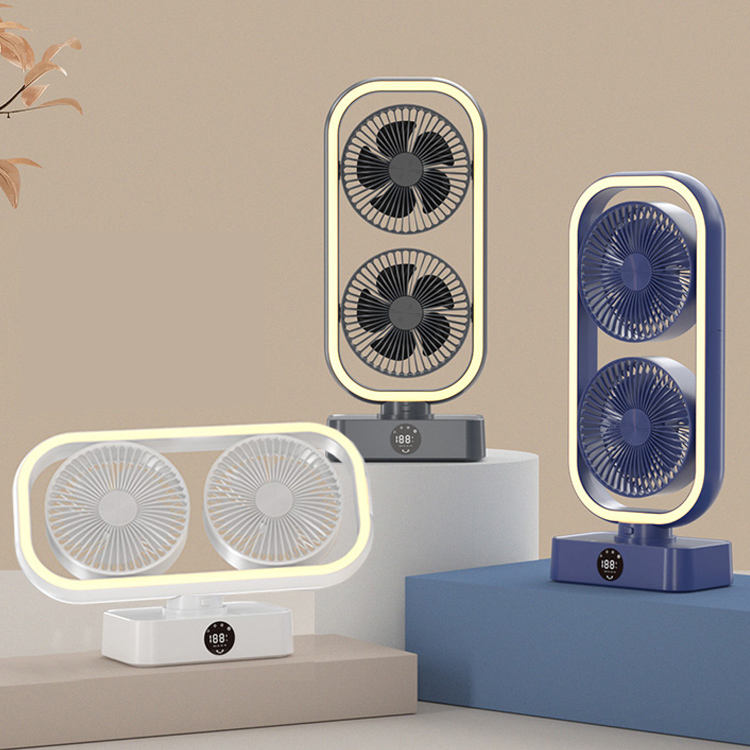
• Desktop Fan: For your desk or bedside table.
• Clip-on Fan: Can be clipped to a bedside table, desktop, or stroller.
• Bladeless Fan: Modern design, safer.
• Fan with Spray Function: Increases cooling effect.
2. Target Markets and Certifications:
• Markets: Where will the products be sold? Europe (CE), North America (UL/FCC), Japan (PSE), or other regions?
• Certifications: It is essential to clarify whether the supplier can provide the relevant international certifications. This is a safety baseline; products without certification cannot clear customs and pose safety hazards.
3. Order Quantity (MOQ):
• Are you starting with a small trial order, or are you a long-term, stable buyer planning for large quantities? Determine your order quantity to find a factory that suits your size. Many factories are not interested in small orders, but there are factories that specialize in serving small and medium-sized buyers.
4. Price Range:
What is your target price? Are you looking for the best value for money, or do you prioritize high quality and unique design? Price is directly related to quality.
5. Customization Requirements:
· Do you require a custom mold (exclusive design), logo printing, special colors, or packaging?
Step Two: Finding Potential Suppliers
Utilize the following channels to find suppliers:
1. Mainstream B2B Platforms:
* Alibaba.com: The world's largest B2B platform with the largest number of suppliers. Focus on "Gold Suppliers" and "Powerful Merchants," which are typically factories or large trading companies certified by the platform.
* Made-in-China.com: Suppliers are generally of high quality, and the foreign trade process is professional.
* Global Sources: Has a strong influence in the consumer electronics sector and hosts online and offline trade shows.
2. Industry Trade Shows:
* Canton Fair: China's largest and most comprehensive trade fair, featuring a wide variety of products. The consumer electronics section has many small fan suppliers.
* Hong Kong Electronics Fair: Asia's largest electronics fair, bringing together a large number of innovative small fan manufacturers.
3. Professional Purchasing Agents or Consulting Firms:
* If you are unfamiliar with the Chinese market or lack the time, hiring a reliable purchasing agent is an efficient and safe option. They can help you screen factories, conduct factory inspections, quality control, and negotiations.
4. Search Engines and Social Media:
• Use keywords such as "small fan manufacturer" or "USB fan factory" to search on Baidu or Google.
• Search for relevant company leaders on LinkedIn.
Step 3: Rigorous Supplier Screening and Evaluation
After identifying potential suppliers, the crucial evaluation stage begins.
1. Company Background Investigation:
• Company Type: Confirm whether it's a factory or a trading company.
• Factory: Advantages include lower prices, more direct quality control, and shorter communication processes. Suitable for clients with stable order volumes.
• Trading Company: Advantages include better service, smoother communication, and the ability to integrate resources from multiple factories to provide more product choices. Suitable for clients with small batches, multiple product categories, or high service requirements.
• Business License and Establishment Date: Check the company's establishment date; companies with a longer establishment history are generally more stable.
• Factory Photos and Videos: Request photos/videos of the actual workshop, production line, quality control equipment, and warehouse.
2. Professionalism of Communication:
• Are the responses timely and professional?
• Can they clearly understand your needs and offer constructive suggestions?
• How is their English communication ability? (If your team does not speak Chinese)
3. Product Qualifications and Certifications:
• Mandatory: CE, RoHS, FCC (for wireless products) certifications are required. Ensure the certificates are genuine and valid.
• Quality Inspection Report: Inquire about the availability of quality inspection reports from third-party organizations.
4. Sample Request:
• "No sample, no order" is the golden rule. Pay the sample fee and shipping costs, and request them to send standard samples or samples made according to your requirements.
• Sample Evaluation:
• Workmanship and Materials: Is the plastic casing smooth and burr-free? Does it have any odor?
• Performance: Wind power, noise level, and battery life.
• Safety: Does it overheat during charging? Is the structure sturdy?
• Packaging and Instruction Manual: Is it professional and meets the requirements of the target market?
5. Inquiry and Quotation:
• Request a detailed quotation (Incoterms: usually FOB, EXW, or CIF), including the unit price of the product, mold fees, packaging fees, shipping costs, etc.
• Beware of excessively low prices: If a quote is significantly lower than the market average, it is very likely that corners have been cut on materials, workmanship, or certifications.
6. Factory Audit (Factory Visit):
• If the order amount is large, or you are seeking long-term cooperation, a factory audit is strongly recommended.
• You can entrust a third-party factory audit company (such as SGS, BV, Intertek) or visit in person.
• Key areas of focus during the audit: production environment, equipment condition, quality management system, worker conditions, and social responsibility compliance.
Step 4: Final Confirmation and Order Placement
1. Negotiation and Contract Signing:
• Clarify all details: product specifications, price, payment method (usually T/T, 30% deposit, 70% upon presentation of copy of bill of lading), delivery date, after-sales service, and handling procedures for non-conforming products, etc.
• Sign a formal purchase contract (Proforma Invoice - PI or Sales Contract).
2. Production and Quality Control:
• Pre-production meeting: Confirm all details.
• In-production inspection (DUPRO): Conduct inspections when production is 30%-50% complete to promptly identify and correct problems.
• Pre-shipment inspection (FRI): Conduct final sampling inspections when goods are 100% produced and over 80% packaged. This is a crucial step in ensuring the quality of bulk orders.
Key Risks and Mitigation Strategies
• Quality Risk: Mitigate through sample confirmation, interim inspection, and final inspection.
• Communication Risk: Clearly define requirements; confirm important communication points in writing via email. Consider hiring a Chinese translator or using professional communication tools.
• Intellectual Property Risk: If you have unique designs, be sure to sign a confidentiality agreement (NDA) with the supplier and clearly define intellectual property ownership in the contract.
• Payment Risk: Avoid 100% prepayment. Use letters of credit (L/C) or secure payment methods such as Alibaba's Credit Assurance or Alipay.
Summary Checklist
We provide purchase agent service,helping small and middle business owners worldwide to order different travel and outdoor products from Chinese factory.